What is Hydrogen?
The world we live in is composed of various elements, and the most fundamental of these is hydrogen. Hydrogen is the lightest and most abundant molecule in the entire universe. Given its abundance and versatility, hydrogen stands out as a pivotal element in our quest for sustainable energy solutions. As we explore hydrogen’s potential, we recognise its unique capability to act as a clean energy carrier, transforming the way we produce and consume energy. To give you a practical example, I’d like you to please take a look at the Hubble telescope image of the Orion Nebula below. It shows some of the most spectacular astronomical photographs of the interstellar gas. The beautiful colours and hydrogen spectrum of light are the strongest lines in the visible region, the red lines.
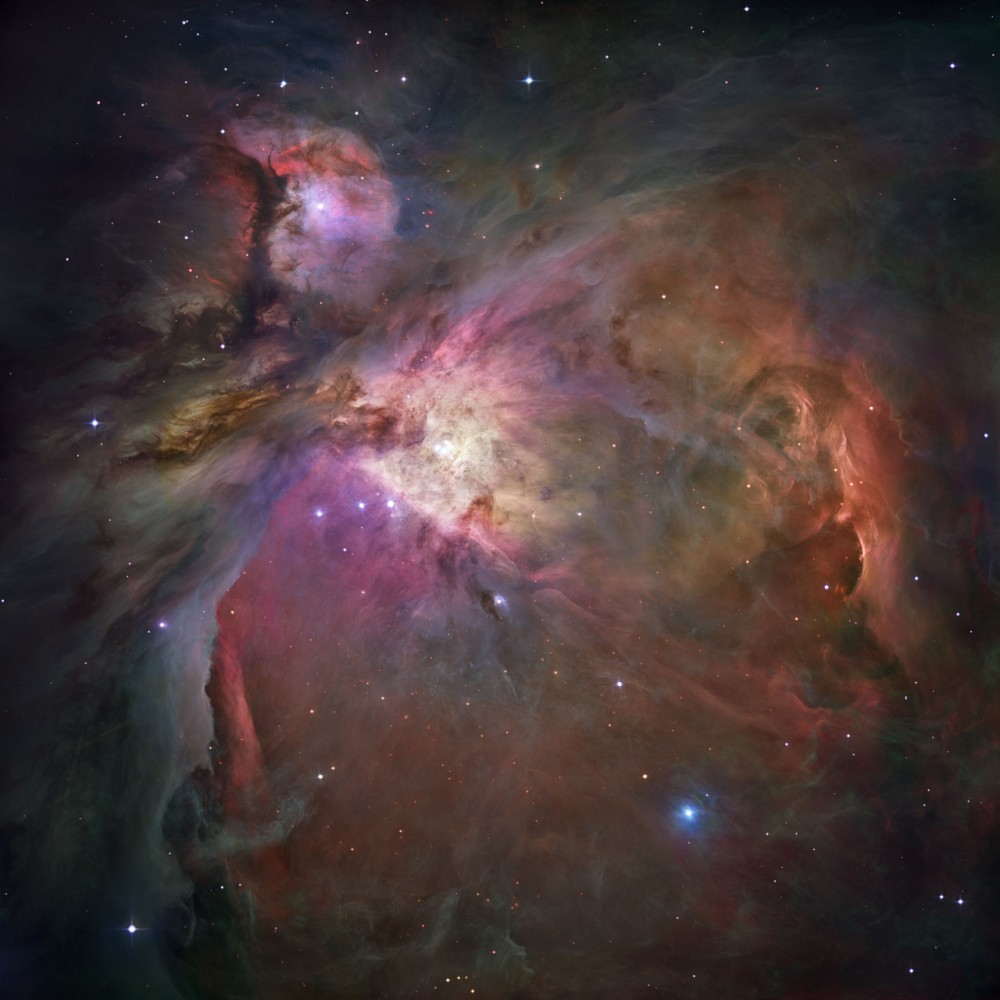
The Orion Nebula in Hydrogen-alpha
Why Hydrogen Matters
- Hydrogen as an Energy Carrier: Hydrogen’s role as an energy carrier is crucial because it produces zero emissions at the point of use. But what does energy carrier mean? This means this molecule is so light it cannot be present in earth’s atmosphere on its own, like oxygen and nitrogen in the air we breathe, so it binds with oxygen, and viola, we get water. In outer space, the temperatures are close to absolute zero, which is the coldest temperature this universe could ever get to and is known as absolute zero [-273.15 degrees Celsius], not the vodka. This means that when hydrogen is used in fuel cells or combustion, the only byproduct is water, making it an exceptionally clean fuel.
- How Hydrogen is Produced: Hydrogen doesn’t exist freely in nature; it must be produced from compounds that contain it. The primary methods of production include separating this molecule, which requires energy and involves different processes; this is where the caveat is that the type of process will dictate if we are still polluting the environment in the name of hydrogen or if we are doing it right. Hence, it is important to understand the production method and ignore some companies’ narratives.
Electrolysis: This process involves splitting water into hydrogen and oxygen using electricity. When this electricity comes from renewable sources like wind or solar power, the resulting hydrogen is referred to as green hydrogen.
Steam Methane Reforming (SMR): This method extracts hydrogen from natural gas. When combined with carbon capture and storage (CCS) technologies, blue hydrogen has a lower carbon footprint than grey hydrogen produced without CCS. SMR is the process currently used to make hydrogen, but it will need to be optimised to use clean gases or gradually transition into green hydrogen.
Different Types of Hydrogen: Focus is on the green, and the rest may get confusing. Hydrogen is hydrogen at the end; this is what helps some firms to build better lobbying processes than technologies and confuse the shit out of us but remember Pink Floyd’s song;
“We’re just 7.951 billion lost souls Swimming in a fish bowl, Year after year, Running over the same old ground. What have we found? The same old fears.”
The colouring is essential, for sure, as we will need to transition into green hydrogen with several other battery chemistries and renewable technologies to spread the risk. This begs the question;
We must control the narrative and dig deeper because no amount of money will be able to clean the air if the whole blue planet is polluted; however, the firms with trillions won’t agree to that as ignorance and things they want to hear are different. I have faith in GenZ to make those key decisions of lifestyles to change as lobbying is too strong and for me to write and build hygrid machines to make whatever fraction climate change mitigation we could do and leave this beautiful planet a little better than we arrived on it.
Green Hydrogen: Produced using renewable energy, making it the cleanest form of hydrogen.
Blue Hydrogen: Derived from natural gas with carbon capture, offering a low-carbon alternative.
Grey Hydrogen: Generated from fossil fuels without capturing emissions, resulting in significant CO₂ emissions.
4. Benefits of Hydrogen:
Environmental Impact: Hydrogen energy systems produce no greenhouse gases at the point of use, contributing significantly to climate change mitigation.
We are there with energy systems technologies to transform the load, switching through intelligent controls and the use of GenAI with it.
Energy Storage: Hydrogen can store energy from intermittent renewable sources, such as solar and wind, providing a reliable energy supply.
Unfortunately, we are not yet there with hydrogen storage. The technology is there, but the price isn’t. We have to work our way up to make it accessible economically. That is the challenge. It will be possible in the near future. I would still opt for Ammonia or other carriers to avoid losses in efficiency of storage.
Versatility: Hydrogen can be utilised across various sectors, including transportation, industry, and residential heating, making it a highly flexible energy source.
Heavy Industries are well suited for this! Cargo Ships, Planes, Trucks, Buses, and large industrial plants are the best applications. The bonus here is that they already have the infrastructure. What is stopping them, then? Let’s talk about it. I welcome your comments.
Hydrogen and the Future
Hydrogen has the potential to revolutionise our energy systems. It supports the integration of renewable energy into the grid, enhances energy security, and provides a pathway to decarbonise sectors that are hard to electrify, such as heavy industry and long-haul transportation.
I am the founder of Hygrid Energy, an OEM fuel cell company dedicated to advancing hydrogen technology. Our mission is to educate and empower everyone, from laypeople to industry professionals, about the transformative potential of hydrogen. By sharing knowledge and fostering collaboration, we aim to drive the adoption of clean energy solutions and contribute to a sustainable future. Live long and prosper! Inspired by Spock and the Star Trek universe, where hydrogen fuels the adventures across galaxies, we believe in the boundless possibilities of this amazing molecule.

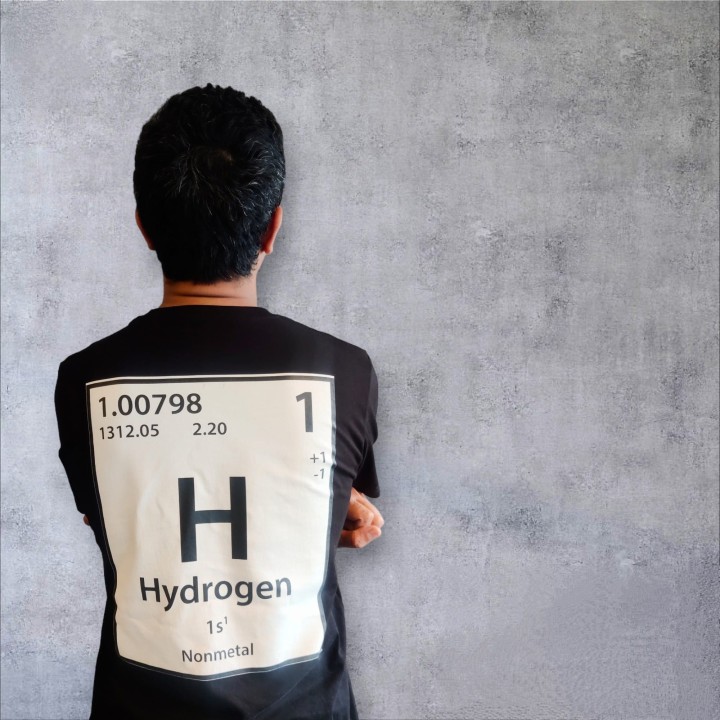
harshal Sankhe – founder of hygrid – Live long and prosper- Spocks from startrek’s long lost Indian-British Relative