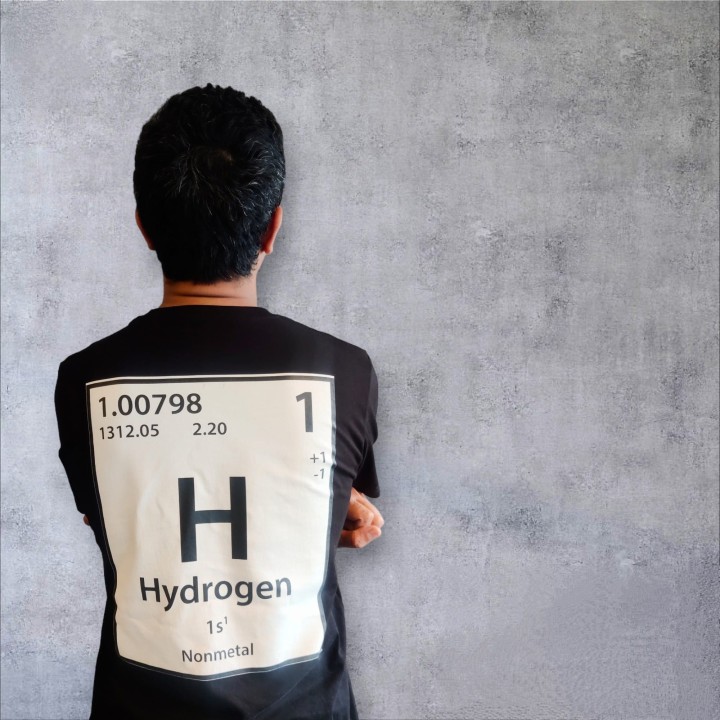


The Dawn of Oil and Hydrogen
The discovery of oil marked a significant turning point in human history. Colonel Drake’s heralded discovery of oil in Pennsylvania in 1859 and the Spindletop discovery in Texas in 1901 set the stage for the new oil economy. Oil became the lifeblood of industrialisation, powering machines, transportation, and entire economies. It was an era of unprecedented growth, and oil, with its role in powering the industrial revolution, was the cornerstone.
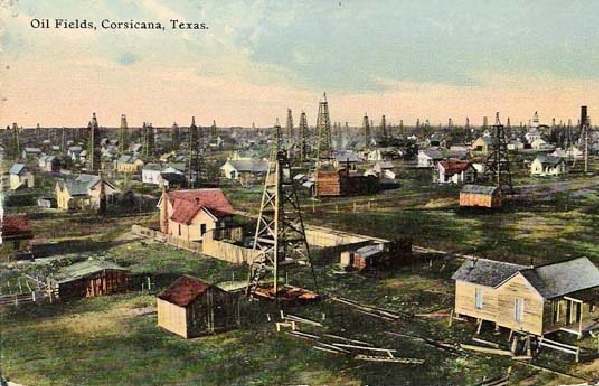
The first Texas oil boom arrived in 1894 when the Corsicana oilfield was discovered by a drilling contractor hired by the city to find water. An annual Derrick Day Chili & BBQ Cook-Off celebrates the discovery. Colorized postcard of Navarro County oil wells, circa 1910. Source: https://aoghs.org/petroleum-pioneers/texas-oil-boom-in-corsicana/
Hydrogen, discovered in the 18th century by Henry Cavendish, held great promise. Cavendish identified hydrogen as a distinct element and demonstrated its potential as a fuel, a beacon of hope for future energy solutions. Despite its early promise, hydrogen was overshadowed by the more easily accessible and transportable oil. However, it’s crucial to remember that the potential of hydrogen as a fuel source remains a significant part of our energy future.

Henry Cavendish (1731–1810). This sketch was made secretly by William Alexander. Source: https://journals.physiology.org/doi/full/10.1152/ajplung.00067.2014
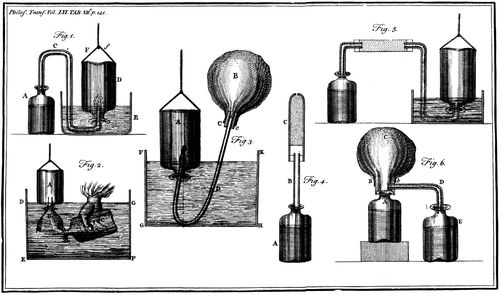
Apparatus used by Cavendish in his studies of hydrogen, carbon dioxide, atmospheric air, and water.Source: https://journals.physiology.org/doi/full/10.1152/ajplung.00067.2014
The Rise of Oil
The oil boom, while transforming industries and societies, came at a significant cost. It fuelled cars, planes, and factories, becoming synonymous with progress and modernity. The economic benefits were immense, creating wealth and driving technological advancements. However, this prosperity came at a cost. The environmental toll of oil extraction, transportation, and combustion became increasingly apparent, leading to the climate crisis we face today.
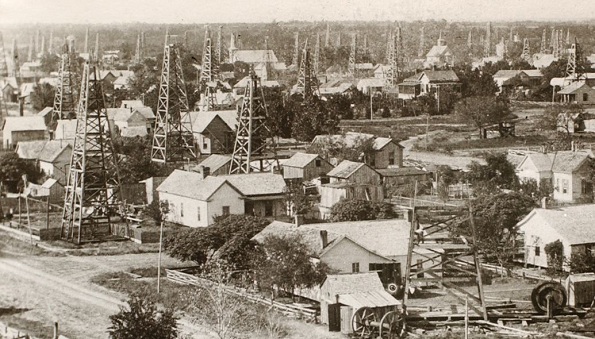
By the end of 1898 there were almost 300 producing wells in the Corsicana oilfield. In 1923 a second, even larger oilfield discovery renewed the town’s petroleum prosperity. Suorce: https://aoghs.org/petroleum-pioneers/texas-oil-boom-in-corsicana/
The Hindenburg and Hydrogen’s Setback
Hydrogen’s journey wasn’t without its trials. The infamous Hindenburg disaster in 1937, where the hydrogen-filled airship caught fire, cast a long shadow over the element’s potential as a safe fuel source. However, it’s important to note that it wasn’t hydrogen that was responsible for the disaster; rather, it was the lack of safety technology at the time. Today, we have the technology to enable safe hydrogen usage, which was not available back then, and this paves the way for a potential hydrogen era.

A closer look at the Hindenburg’s gondola as sailors from Lakehurst Naval Air Station use guy poles to help the airship to its mooring. This was the Hindenburg’s first US landing on May 9, 1936. Dr. Hugo Eckener can be seen at the far right in the gondola. Date Taken on 9 May 1936
Source Oakland Tribune 10 May 1936, page 52, Author Associated Press/Oakland Tribune

Hindenburg-class airship Graf Zeppelin at Lowenthal Hangar in 1938
Manufacturer Luftschiffbau Zeppelin Manufactured 1936–38
First flight 14 September 1938 In service 1938–1940 Flights 30 Fate Dismantled in April 1940
Preserved at Zeppelin Museum Friedrichshafen (bow). Source: https://en.wikipedia.org/wiki/LZ_130_Graf_Zeppelin

Hindenburg landing May 6, 1937, Source: https://commons.wikimedia.org/wiki/File:Hindenburg_landing_May_6_1937.jpg

Hindenburg ablaze May 6 1937 Source: https://commons.wikimedia.org/wiki/File:Hindenburg_ablaze_May_6_1937.jpg
The Need for Change
Fast forward to the 21st century, and the consequences of our oil dependence are stark. Climate change, driven by greenhouse gas emissions, poses a dire threat to our planet. Rising temperatures, extreme weather events, and the loss of biodiversity are urgent calls to rethink our energy sources.
Hydrogen’s Renaissance
Today, hydrogen is making a comeback as a clean and sustainable energy solution. Unlike oil, hydrogen can be produced from various renewable sources, offering a path to decarbonising our energy systems. Companies like hygrid are at the forefront of this revolution, developing projects with an emphasis on solving a problem to mitigate CO2 and use all technologies that would aid in making our air cleaner. Hygrid SOFC hydrogen fuel cells will provide efficient, clean energy and be part of the solution rather than a debate of efficiency or subsidies or anything that politically gains ground. My frustration with media is looking for “instant gratification” It took good 40-50years for industrialisation to flourish; on the other hand, if we keep talking about how economically it is not feasible to pay £8/kg, the UK Govt and the rest of the world has taken positive steps towards reducing the price of hydrogen per kilogram and the good news is it will be down to $2/kg by 2030s paving the way for private entrepreneurs to build businesses that are serious of delivering clean power with customer experience. We need to move our thinking beyond the geographies and countries we live in because it’s everybody’s problem, and a NIMBY [not in my backyard] attitude does not work.
Hydrogen Storage Solutions: Challenges and Innovations
One of the critical aspects of hydrogen energy is storage. Hydrogen, being the lightest element, poses challenges in storage and transportation. Innovations in hydrogen storage, such as high-pressure tanks
and metal hydrides, are addressing these challenges. These solutions aim to make hydrogen storage safer and more efficient, paving the way for widespread adoption.
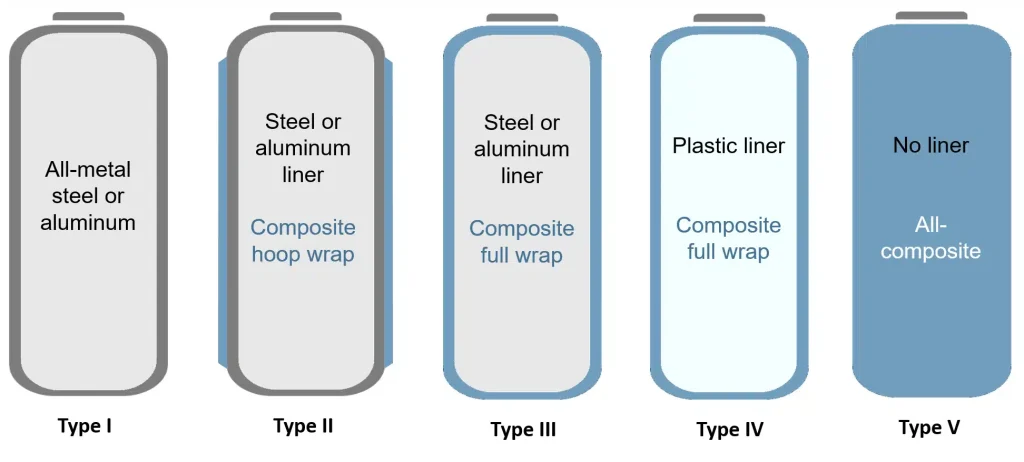
Image source, reference: https://www.redriver.team/understanding-hydrogen-storage-type-3-vs-type-4-tanks/
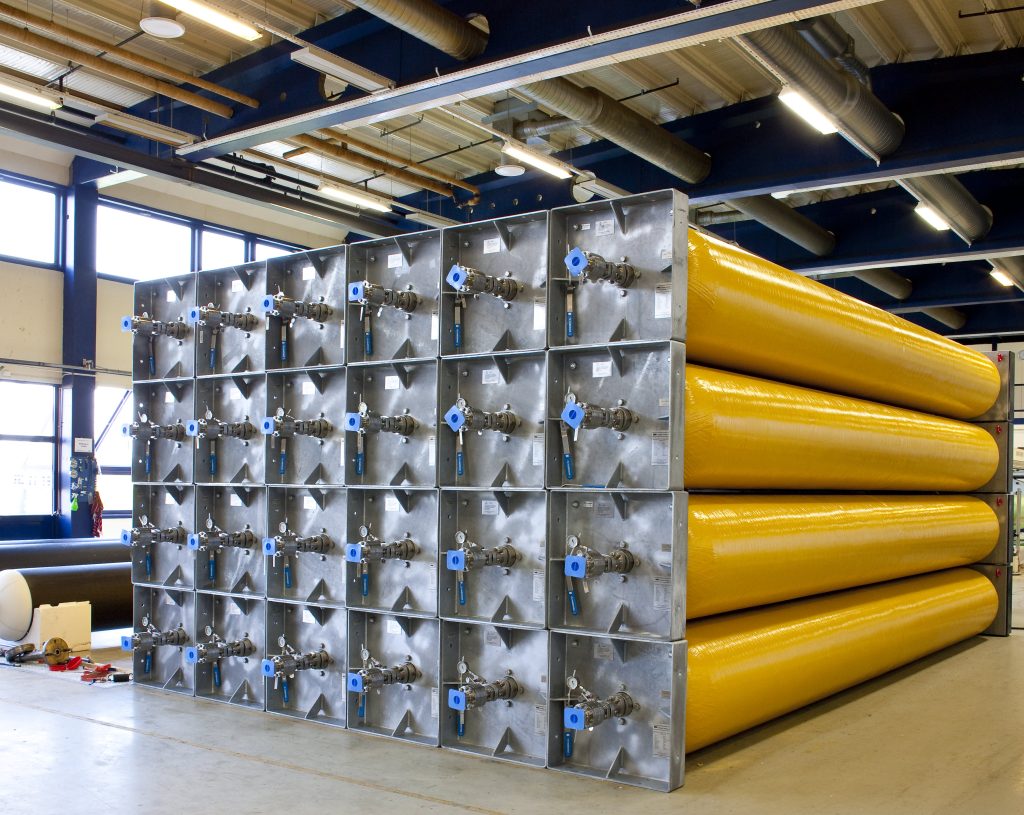
Hydroge n Storage for large scale MWs class Type IV, Image source, reference: https://www.uac.no/pressure-vessels-type-iv/
Transporting Hydrogen: Methods and Infrastructure
Transporting hydrogen requires robust infrastructure. Pipelines, cryogenic tankers, and chemical carriers like ammonia are potential solutions. Each method has its pros and cons, but the goal remains the same: to deliver hydrogen safely and efficiently to where it’s needed.
Safety Considerations in Hydrogen Storage and Transport
Safety is paramount in hydrogen storage and transport. Hydrogen is highly flammable, necessitating stringent safety protocols. Advances in materials and technology are enhancing safety measures, ensuring
hydrogen can be stored and transported with minimal risk.
Hydrogen Applications
Hydrogen’s versatility makes it a key player in the future energy landscape.
The Role of Hydrogen in the Energy Sector
Hydrogen can power everything from cars to power plants. In the energy sector, it can be used to store excess renewable energy and generate electricity on demand, providing a stable and reliable power supply.
Hydrogen Fuel Cells: How They Work and Their Benefits
Hydrogen fuel cells generate electricity through an electrochemical reaction between hydrogen and oxygen, with water as the only byproduct. This process is highly efficient and environmentally friendly, making hydrogen fuel cells ideal for various applications, including transportation and stationary power generation.
Hydrogen in Transportation: Fuel Cell Vehicles and Beyond
Hydrogen fuel cell vehicles (FCVs) like the Toyota Mirai are leading the charge in zero-emission transportation. Unlike battery electric vehicles, FCVs offer fast refuelling times and long driving ranges, making them suitable for long-distance travel and heavy-duty applications. The challenge here isn’t the hydrogen cars but the refuelling stations that were built by the oil and gas firms with large profits when they wanted to sell the oil; I strongly believe they need to fund the hydrogen refuelling stations if H2 cars really are to succeed. I just put a phone down on a customer who wanted to buy hydrogen for his car, and I was speechless about offering him any service.
Ignore the “fool cells” and embrace the good leaders who do not behave erratically; those are the ones who are quietly solving the problems of the world.
Industrial Applications of Hydrogen: Powering the Future
Hydrogen has also found its place in industrial applications, such as steel manufacturing and chemical production. These sectors are traditionally heavy polluters, and hydrogen offers a way to reduce their carbon footprints significantly. Hydrogen and ammonia as the carrier or storage medium have advantages due to already established infrastructure for Ammonia. The niche applications where there is a business case for large industrial firms in the steel and cement industries also have a business model for public transport and buses tied with 1MWish or more to match supply and demand. The challenge here is “public perception”, and not the technology; Birmingham Council, Welsh councils and several other UK councils have already embarked on this journey, with Wrightbus leading the way with leasing business models.
We at Netzero Home Technologies [NZHT], together with hygrid, are also focussing on delivering microgrids tied to a consistent supply of clean/low-emission electricity as buildings contribute to more than 40% towards CO2 emissions around the world.
Environmental Impact and Sustainability
The Environmental Benefits of Hydrogen Energy
Hydrogen is a broad vector, and there are multiple ways of producing it; the focus needs to be where there is less CO2 or none at all. Hydrogen energy has significant environmental benefits. When made from renewable sources, it generates zero emissions, helping to combat climate change. Even when derived from natural gas through Solid Oxide Fuelcell, the one hygrid technology produces 70% less CO2 than traditional fuels utilising ICE [internal combustion engine]. In today’s industrial gas market, 99% of hydrogen is produced from steam methane reforming [SMR], which is used in the fertiliser industry for ammonia production. The potential for carbon capture and storage can mitigate its environmental impact. I agree that administering CCUS [carbon capture] is going to be a challenge and needs regulations and policies to be updated – it is ongoing. The SMR produces hydrogen at an approximate price below or slightly above the $2/kg mark. Here is a challenge we need to overcome as a society fighting with large lobbying Oil&Gas executives. We are currently swimming against the tide to bring down the price to $2/kg by renewable methods; this is happening by flooding the market with efficient Electrolysis. I am optimistic that by the 2030s, we will be at par, and then it’s about time for SMR to fade away, and similarly, other fossil fuel-dependent production methods will cave in. We need to beat the SMR production of H2 at a price of $2/kg by producing it from renewable sources, which stands at a retail price of $10 to $16, and any real support is welcome.
Comparing Hydrogen to Other Energy Sources
Compared to fossil fuels, hydrogen offers a cleaner and more sustainable alternative. While battery technologies are advancing, hydrogen provides an additional pathway to decarbonise sectors where batteries may not be practical.
Hydrogen’s Role in Achieving Net Zero Emissions
To achieve net zero emissions, hydrogen will play a crucial role. Its ability to store and deliver energy on demand makes it a versatile component of a sustainable energy mix. As the world strives to meet climate
goals, hydrogen will be indispensable in reducing our carbon footprint and fostering a cleaner, greener future.The story of hydrogen and oil is a tale of discovery, innovation, and transformation. As we stand at the crossroads of an energy revolution, hydrogen offers a beacon of hope. It’s a testament to human
ingenuity and our commitment to a sustainable future. By embracing hydrogen, we can address the climate crisis and build a world where clean energy powers our lives and preserves our planet for generations to come.
In our obscurity, in all this vastness, there is no hint that help will come from elsewhere to save us from ourselves. The Earth is the only world known so far to harbor life. There is nowhere else, at least in the near future, to which our species could migrate.
Carl Sagan